
There are many features to consider when looking for a smart bike helmet. Therefore, we created a buyer’s guide that should help you narrow down the features that you want vs those that you are not interested in. We hope that it helps you.
What we have cover!
Cooling System
There are some options when it comes to the cooling system that smart helmets may have. One option is battery-powered cooling fans. Some people prefer naturally cool or vents that work even if the battery fades away. Certainly, something you should put consideration into for your own enjoyment.
Ease of Pairing
Pairing with your smart helmet should be easy. No one wants a hassle before they get on their bike to ride. If you are pairing with your smartphone or need to pair it with multiple phones or tablets, you need to make sure that switching is easy to do.
Smart bike helmets primarily use Bluetooth 5.0 or higher for a stable, low-latency connection to your phone. While some use Wi-Fi for bulk firmware updates, Bluetooth is the standard for real-time GPS audio and call handling.
Lights
Visibility is important to any bike rider. Smart helmets promise to help by adding lights to them. Some have riding lights, some have turn signal lights, and there are other features as well, while premium 2026 models include “Smart Brake Lights”. These use built-in accelerometers to automatically brighten when you slow down, signaling to drivers behind you exactly like a car’s brake lights.
Displays/Rear Viewing?
As technology continuously expands the things we have access to, smart helmets are also improving. They may have a heads-up display that shows images on a visor screen.
This gives you easy access to GPS, call information, videos, traveling speeds, and a variety of other useful features. However, some people may feel that they do not need all this extra data like HUDs, distracting. They would prefer just a display that can show them the rearview.
For them, a better option is a helmet with AI-powered rear-view sensors that provide “haptic” or audio alerts when a vehicle is approaching from their blind spot, rather than a constant video feed.
Tips for Choosing the Right Size in Bike Helmet
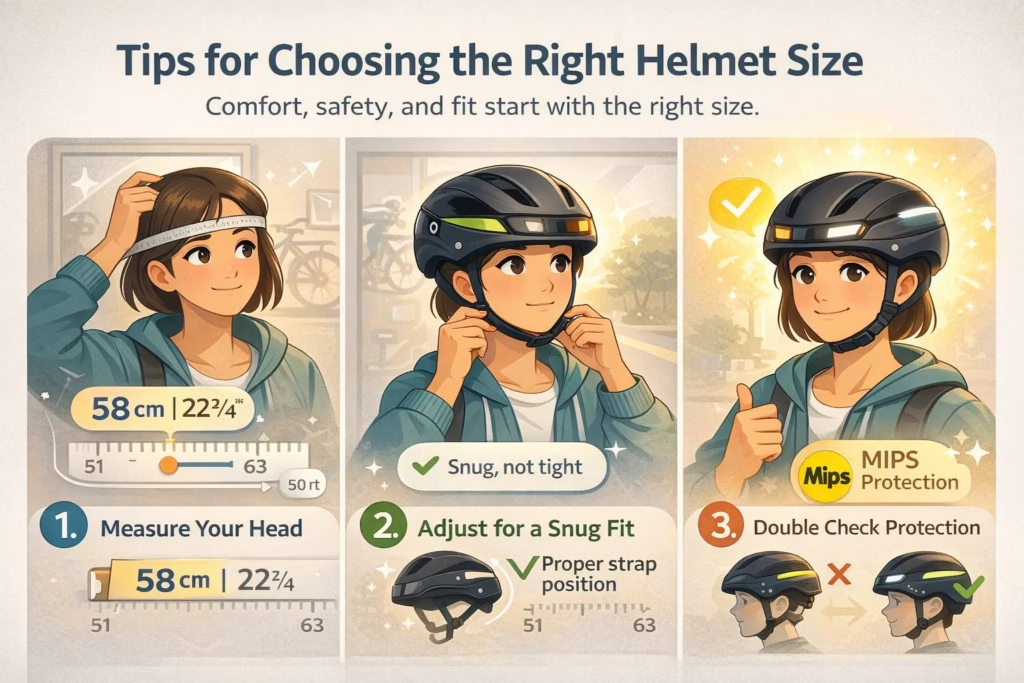
When choosing a bike helmet, whether smart or not, you have to make size your first concern. How it fits will determine how comfortable you are when wearing it. To make it easier, we are giving you a few tips on choosing the right size.
1. Measure Your Head
Depending on the helmet, you can find a variety of sizes available. Most will range from below 20 inches (51cm) for extra small to above 24.75 inches (63cm) for extra large. Measure your head and find the range that meets your needs.
2. Test the Tightness
Ideally, when you have chosen your helmet, you will adjust it to fit properly. In a perfect world, you will adjust until it fits snugly, but not uncomfortably tight. Tighten it until the chin strap pulls the helmet down when you open your mouth and form a V-shape under each ear.
3. Check for Rotational Impact Protection
As of 2026, a “smart” helmet isn’t just about electronics. Look for MIPS (Multi-directional Impact Protection System) or similar technology. These systems allow the helmet to slide slightly during a crash, reducing the rotational force on your brain—a feature now considered more important than the electronic gadgets.
Smart Helmet FAQs
Choosing the right helmet for your needs is a big deal. To further help you make a good choice, we have included some basic questions that most people want to know the answer to before they pick one up.
Q. What is the Estimated Battery Life?
A. This will vary based on the helmet that you choose and whether it has lights that do special things. However, a good average is approximately 5 to 10 hours of continuous use if you are flashing the lights rapidly. Longer if you are only using them as needed.
Q. How Much Will It Weigh?
A. No one wants a lot of weight on their head. Therefore, most helmets, even smart ones, will average near 1-pound or less.
Q. Are These Helmets Waterproof?
A. Overall, look for an IPX6 rating. You should be able to expect your helmet to be okay if you get caught in a sudden rain shower. However, most probably will not live up to being submerged in water.